


According to the Comité de Agricultura Ecológica de la Comunitat Valenciana (CAECV), organic farming, also known as biological farming, is a production and processing system that aims to obtain high-quality food and minimise human impact on the environment.
Organic farming seeks to make responsible use of natural resources, preserve plant and animal biodiversity and support sustainable local development. It means working with natural cycles and using the land without overexploiting it.
The CAECV is the control authority responsible for certifying organic agricultural and food products of plant and animal origin in the Valencian Community. Its control authority code is ES-ECO-020-CV. The operator codes recorded in this account of our project are CV5877PV for plant production and CV6219E for the business, which was still under review when the original article was written.
Spain's autonomous communities have their own control arrangements. In the Valencian Community, the responsible authority is the CAECV.
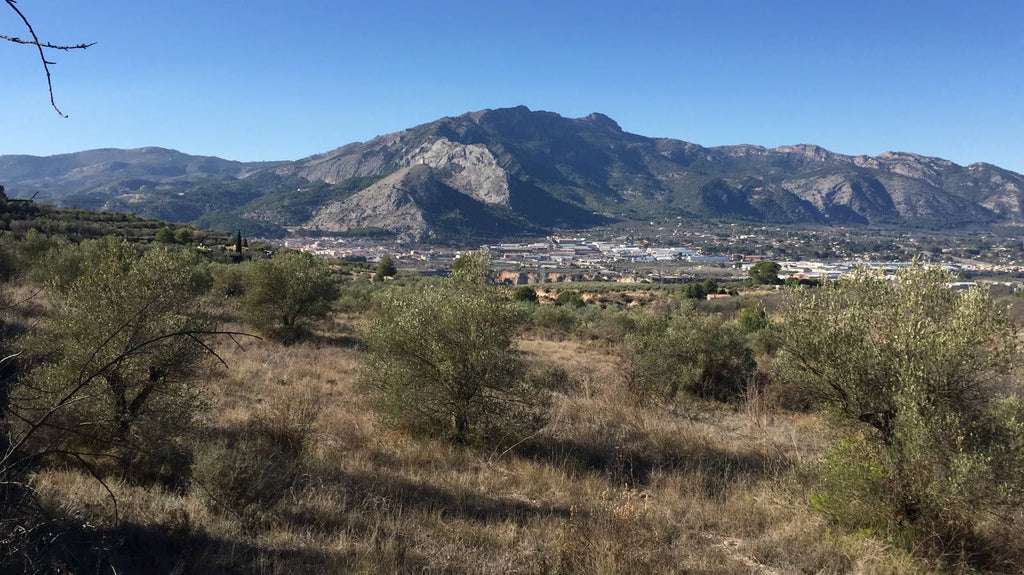
Caring for nature is central to 9 Oliveres. We believe that cultivating the land goes hand in hand with looking after its surroundings. This article describes our organic farming project: in 2019, one of our plots received CAECV certification, identified in the original account as plot 61, polygon 9, in Cocentaina, under control authority ES-ECO-020-CV.
The original project also included the gradual conversion of the remaining land to certified organic farming. The plots were at different stages for the reasons described below.
We invested in acquiring abandoned, uncultivated land so that it could be brought back into production. At the time described in this article, 9 Oliveres had restored 40,000 square metres of land and given the existing olive trees a new lease of life. Organic certification formed part of that work.
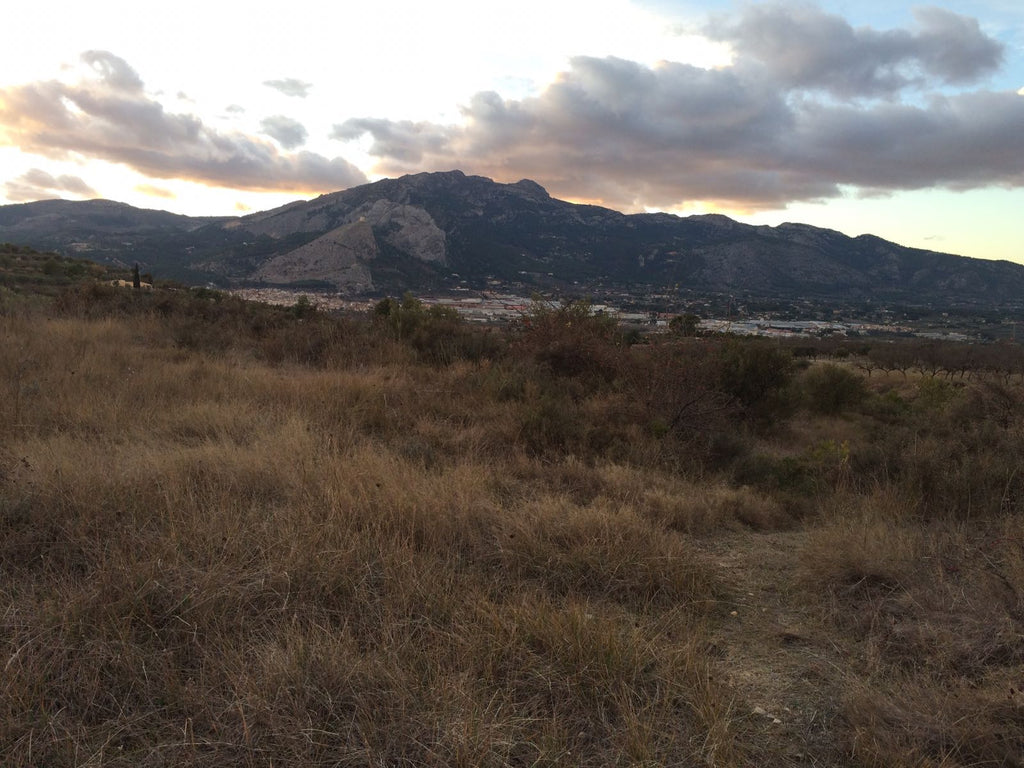
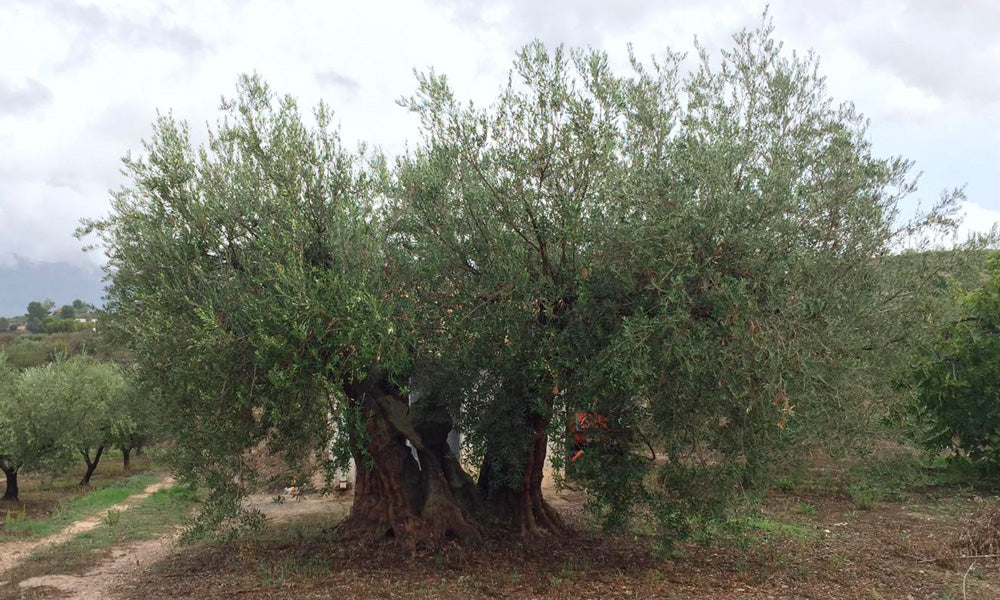
Other plots were already owned by the Agulló-Carbonell family and had been cultivated for generations, including more than a century by the family. The knowledge of olive growing passed down through those generations helped preserve the old trees.
The project described a supervised conversion period, generally lasting three years, during which the control authority carried out inspections. The aim was to bring the plots into certified organic production.

This account describes the development of the project. For the certification applicable to a product currently on sale, consult its label and product information.


Organic farming brings together cultivation practices aimed at caring for the soil, using natural resources responsibly and supporting biodiversity. In an olive grove, those aims depend on day-to-day decisions about vegetation, water and the management of the land.